A short film
A.P.A.R.T
A cinematic short film about the instability of perceived connection.
Funding Deck · 2026
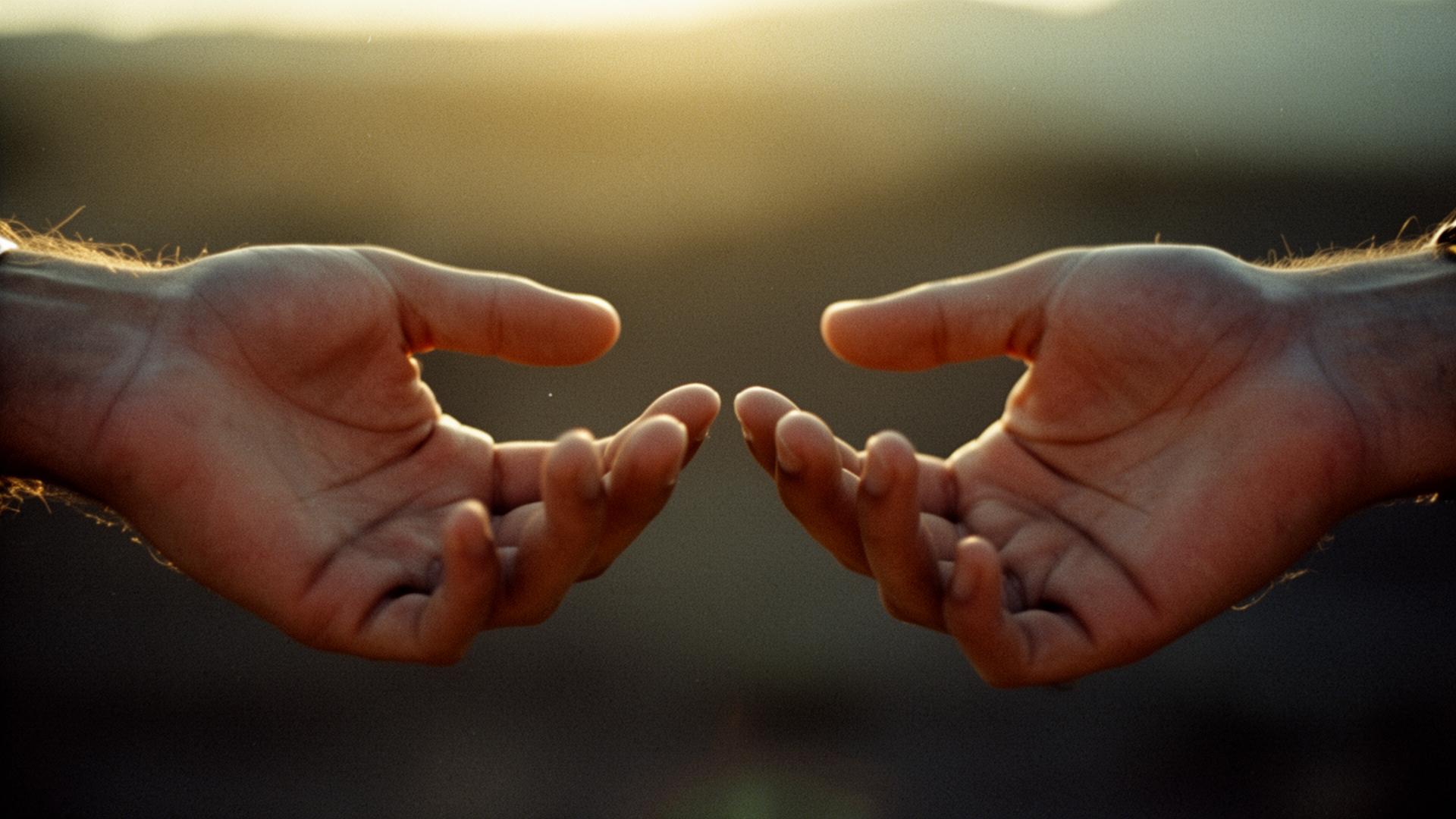
Two people trying to reach each other.
Distance that won't close.
The emotional idea
Connection felt, then withdrawn. The audience is made to believe two people are close — and then watches that belief come apart, over and over, without resolution.
Movement + camera
The film's language is choreography meeting cinematography. The camera is not an observer. It is the engine of the lie — and eventually, the one still searching.
Why only on film
Split diopter, telephoto compression, composite frames, cuts that withhold contact. None of this lives on a stage. The medium is the meaning.
"The film is not about loneliness.
It is about the instability of perceived connection.
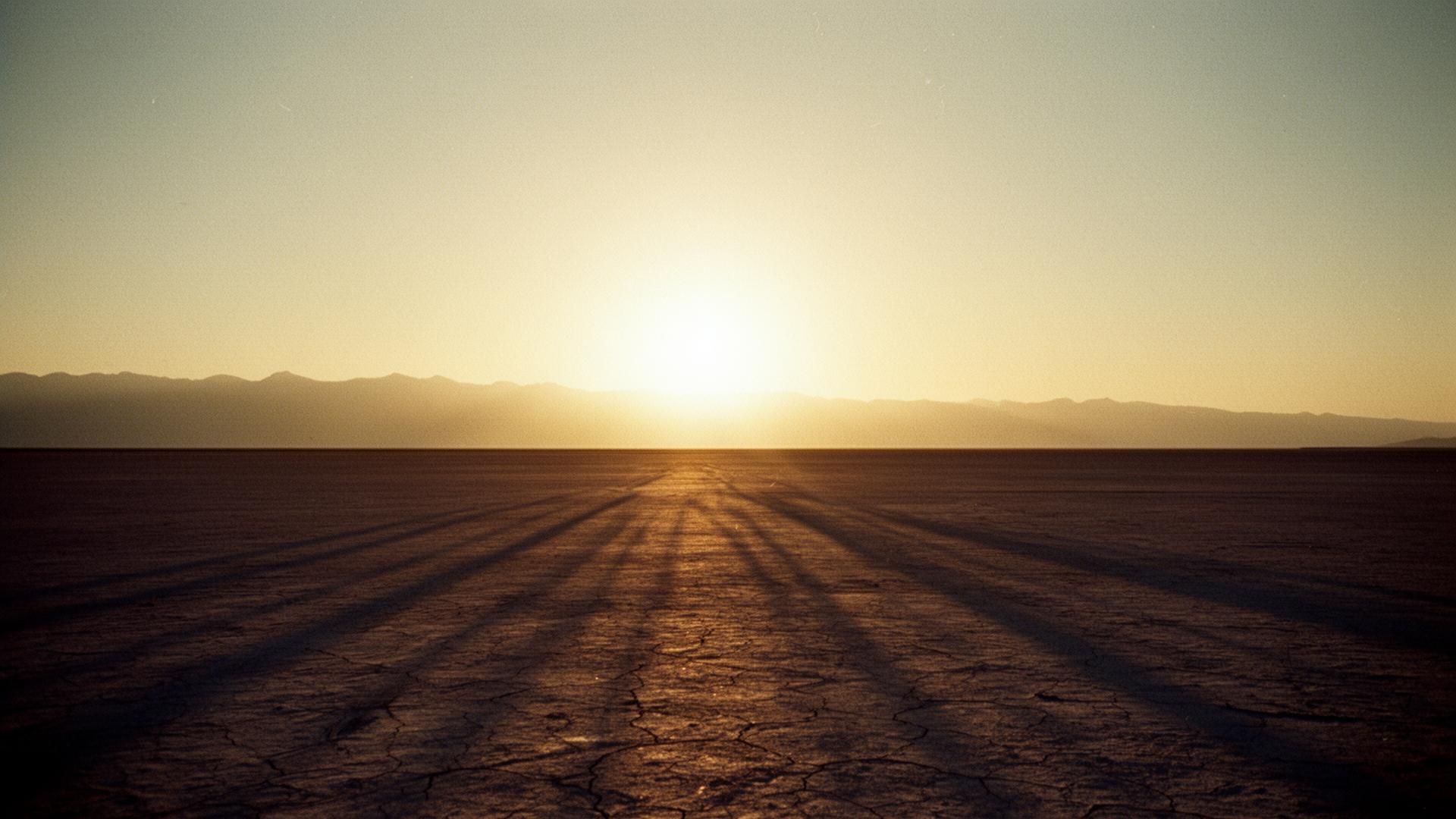
Two dancers in an open desert. Golden hour. No dialogue. A choreography of reaching, mirroring, near-meeting. The geometry of the frame insists, again and again, that they are together — and then admits they were not.
We never see both dancers in the same truthful frame. Not once. Not even at the end. The audience is left inside the instability, not released from it.
A language built from six touchstones.
Strong Woman
Pina Bausch · 2001
A lesson in cinematic perception: the audience believes one thing, then the frame reveals another. Meaning emerges through revelation rather than explanation.
Pina
Wim Wenders · 2011
Choreography as cinema. Dance staged for the camera, not the stage. Bodies in landscape, not in theatre.
Desert imagery
Antonioni · Reygadas · Villeneuve
Landscape as emotional architecture. Open ground that dwarfs the figure, stretches perception, and turns distance into feeling.
Cinematic framing
Lubezki · Deakins
Composition as storytelling. The frame directs what the audience feels, not just what it sees.
False proximity
Split diopter · telephoto compression
Optical devices that lie about distance — De Palma, Wong Kar-wai. Intimacy you can see and cannot trust.
Emotional distance
In the Mood for Love · Past Lives
Restraint as feeling. The cut withheld. The reach that doesn't arrive. Tenderness measured in space, not contact.

I keep returning to the same idea: that the gap between feeling close and being close is the most honest subject I know.
Producer background
Years of producing work that lives between disciplines — film, performance, design. A practice built on small crews, precise intent, and final cuts that earn their restraint.
Movement-based storytelling
The body says what dialogue cannot. I'm interested in stories where meaning is carried by the way two people occupy space — and the way a camera can confirm or betray that occupation.
Why now
We are more constantly in contact, and more uncertain of it, than at any point I can remember. APART is a small, formally rigorous answer to a question I think the audience is already carrying.
The people behind the frame.
Direction
Adam deFelice
Adam deFelice is a Los Angeles–based visual artist, filmmaker, and designer whose career spans more than three decades in film production, practical effects, sculpture, and performance. His work has contributed to major productions including Independence Day, Stargate, Men in Black, and Armageddon. His experience creating physical illusions and visual storytelling informs APART's exploration of perception, distance, and cinematic deception.
Cinematography
Ray Wongchinda
Ray Wongchinda is a Los Angeles–based Director of Photography. Across 13 narrative feature films shot in 11 countries, his work has earned international recognition, including an Africa Movie Academy Award. A member of the International Cinematographers Guild, his experience photographing stories across diverse landscapes makes him uniquely suited to APART's visual language, where framing, optics, and scale become active storytelling tools.
Producer / Writer
Lori deFelice
Lori deFelice is a producer and writer whose career spans nearly three decades across film, television, animation, and live performance. Her work has focused on developing projects that connect artistic disciplines and create emotionally meaningful audience experiences. APART brings together her background in filmmaking and the performing arts to explore a new form of cinematic storytelling built through movement, camera, and perception.
Choreographer
Currently in Discussion
Movement as meaning — the physical language of the film, built for the camera, not the stage.
What your contribution makes possible.
Every dollar goes directly in front of the camera — or behind it. Here is where the funding lands.
Where the funding goes
Direction
Creative leadership
Visual storytelling, perceptual design, and the through-line that holds every frame to a single intention.
Cinematography
Lens, light, framing
Execution of the film's visual language. The optics that compress distance and the light that makes the lie believable.
Production
Logistics + execution
Scheduling, location coordination, and the shoot itself. The infrastructure that lets a small crew move precisely.
Choreography
Movement for the camera
Movement as meaning — the physical language of the film, developed through the relationship between choreography and camera.
Dancers
Two bodies in the frame
The geometry the camera will confirm and betray. The human scale against open ground.
1st AC
Critical focus
Split diopter shots and sustained takes where missed focus kills the cut.
2nd AC
Lens + data
Swaps, slating, and media management under desert conditions with no second chances.
Location
Desert playa
Golden hour access. The ground the film is built on — scale that humbles the figure.
Specialty optics
Split diopter · telephoto
The devices that lie about distance. Opening shot, sustained compression, false proximity.
Post-production
Edit · color · sound
The frame is not finished until the cut holds. Color that respects the desert. Sound that deepens the silence.
Production Approach
Small crew
The fewest people required to realize the frame. No department bloat. Every person is essential.
Golden hour
A narrow window of honest light. The schedule bends to the sun, not the other way around.
Single camera
One body, one point of view. The audience sees only what the film chooses to show them.
Practical in-camera effects
Optical tricks built with glass and distance — not pixels. Split diopter, compression, careful blocking.
The film's visual language is built through framing, optics, and performance rather than large-scale production infrastructure.
Fade to black
The film has been withholding truth from the first shot.
The last frame is no different.